
NICKEL / MONEL / INCONEL / INCOLOY / HASTELLOY
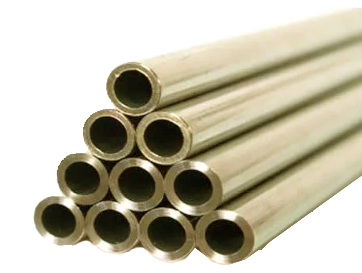
Nickel Alloy Tubes & Pipes NICKEL 200-201 / MONEL 400/ INCONEL 600-601-625/ INCOLOY 825/ HASTELLOY C276
Nickel Alloy Tubes & Pipes
Nickel alloy tubes and pipes are specialized materials that offer excellent corrosion resistance, high temperature resistance, and exceptional mechanical properties. They are composed primarily of nickel along with significant amounts of other alloying elements such as chromium, iron, molybdenum, copper, and sometimes titanium or aluminum.
The composition of nickel alloy tubes and pipes can vary widely depending on the specific alloy and its intended application. However, common elements found in nickel alloys include:
– Nickel (Ni): Typically makes up the majority of the alloy composition, often ranging from 30% to over 70%.
– Chromium (Cr): Provides corrosion resistance, particularly in oxidizing environments.
– Molybdenum (Mo): Enhances corrosion resistance and mechanical properties at high temperatures.
– Iron (Fe): Provides structural integrity and magnetic properties (depending on the alloy).
– Copper (Cu): Improves corrosion resistance and thermal stability.
– Titanium (Ti) and Aluminum (Al): Strengthen the alloy and promote oxidation resistance.
– Other Elements: Depending on the specific alloy, additional elements like tungsten (W), cobalt (Co), niobium (Nb), and sulfur (S) may be included to enhance specific properties.
Our Product Range
- NICKEL 200 /201 (UNS N02200, UNS N02201) Tubes & Pipes
- MONEL 400 (UNS N04400) Tubes & Pipes
- INCONEL 600 / 601 / 625 (UNS N06600, UNS N06601, UNS N06625) Tubes & Pipes
- INCOLOY 825 (UNS N08825) Tubes & Pipes
- HASTELLOY C 276 (UNS N10276) Tubes & Pipes
Applications of Nickel Alloy Tubes/Pipes
- Chemical Processing: Equipment and piping for handling corrosive chemicals and acids.
- Oil and Gas: Downhole tubing, offshore platforms, and pipelines for high-pressure and corrosive environments.
- Power Generation: Heat exchangers, boilers, and steam turbines in power plants.
- Aerospace: Engine components, airframe structures, and hydraulic systems.
- Medical: Surgical implants, instruments, and medical devices due to biocompatibility and corrosion resistance.
- Marine: Propeller shafts, seawater cooling systems, and shipbuilding components.
- Automotive: Exhaust systems and catalytic converters requiring high-temperature resistance.