
Austenitic Stainless Steel
Tubes & Pipes
Tubes & Pipes
304, 310, 316, 317, 321, 347, Alloy 20, Sanicro 28, 800/H/HT, 904L, 253 MA
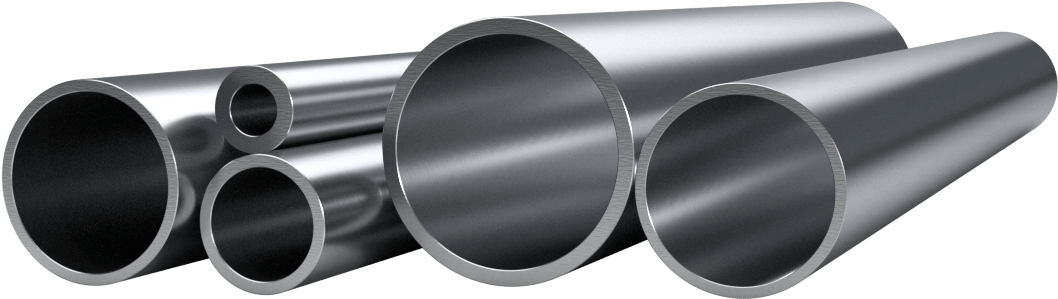
Austenitic Stainless Steel Tubes & Pipes 304, 310, 316, 317, 321, 347, Alloy 20, Sanicro 28, 800/H/HT, 904L, 253 MA
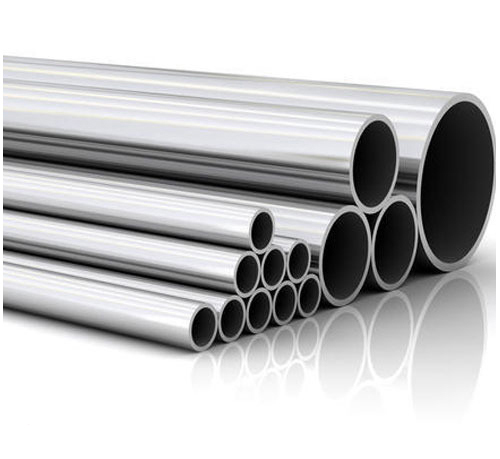
Austenitic Stainless Steel Tubes & Pipes
Austenitic stainless steel is primarily composed of iron, chromium, and nickel, with additional elements to enhance their properties. The typical composition includes:
- Iron (Fe): The primary component, making up the bulk of the alloy.
- Chromium (Cr): Usually between 16-26%. Chromium provides excellent corrosion resistance by forming a passive oxide layer on the surface.
- Nickel (Ni): Typically 8-35%. Nickel stabilizes the austenitic structure, enhancing ductility and toughness.
- Carbon (C): Generally low, up to 0.08%. Low carbon content helps prevent carbide precipitation during welding, which can cause intergranular corrosion.
- Manganese (Mn): Usually up to 2%. Manganese improves hot working properties and enhances the steel’s toughness.
- Silicon (Si): Up to 1%. Silicon is added to improve oxidation resistance and enhance strength at high temperatures.
- Molybdenum (Mo): Often 2-3% (in grades like 316). Molybdenum increases corrosion resistance, especially against chlorides and other industrial solvents.
- Nitrogen (N): Small amounts up to 0.1%. Nitrogen increases strength and enhances pitting resistance.
- Other Elements: Minor additions of elements like titanium (Ti), niobium (Nb), or copper (Cu) can be present to improve specific properties such as stability, strength, or corrosion resistance.
Our Product Range
- Austenitic Stainless Steel 304 Tubes & Pipes
- Austenitic Stainless Steel 310 Tubes & Pipes
- Austenitic Stainless Steel 316 Tubes & Pipes
- Austenitic Stainless Steel 317 Tubes & Pipes
- Austenitic Stainless Steel 321 Tubes & Pipes
- Austenitic Stainless Steel 347 Tubes & Pipes
- Austenitic Stainless Steel ALLOY 20 Tubes & Pipes
- Austenitic Stainless Steel SANICRO 28 Tubes & Pipes
- Austenitic Stainless Steel 800 / H / HT Tubes & Pipes
- Austenitic Stainless Steel 904L Tubes & Pipes
- Austenitic Stainless Steel 253 MA Tubes & Pipes
Applications of Austenitic Stainless Steel Tubes/Pipes
- Food and Beverage Industry: Austenitic stainless steel tubes and pipes are extensively used in the food and beverage industry for processing equipment, storage tanks, and piping systems. Their excellent corrosion resistance and ease of cleaning make them ideal for maintaining hygiene and preventing contamination in the production and handling of food and beverages.
- Chemical and Petrochemical Industry: In the chemical and petrochemical industry, austenitic stainless steel tubes and pipes are crucial for reactors, vessels, heat exchangers, and process piping. They provide the necessary resistance to corrosive chemicals and high temperatures, ensuring safe and efficient operation in these harsh environments.
- Oil and Gas Industry: The oil and gas industry relies on austenitic stainless steel for pipelines, offshore platforms, and drilling equipment. These materials offer superior resistance to corrosion from hydrocarbons and other substances, making them suitable for both onshore and offshore applications where durability and reliability are paramount.
- Pharmaceutical and Biotechnology Industry: Austenitic stainless steel tubes and pipes are essential in the pharmaceutical and biotechnology industry for cleanroom piping, production equipment, and storage vessels. Their non-reactive nature and ability to maintain sterile conditions ensure the safe transportation and storage of sensitive pharmaceutical products and biotech materials.
- Water Treatment: In water treatment applications, austenitic stainless steel is used in desalination plants, municipal water systems, and wastewater treatment facilities. Its resistance to seawater and other corrosive environments makes it ideal for ensuring the longevity and efficiency of water treatment equipment and piping systems.
- Architecture and Construction: Austenitic stainless steel tubes and pipes are popular in architecture and construction for structural components, decorative elements, and curtain walls. Their strength, durability, and aesthetic appeal make them suitable for both load-bearing structures and modern architectural designs that require a sleek, contemporary look.
- Automotive Industry: The automotive industry utilizes austenitic stainless steel in exhaust systems, fuel lines, and catalytic converters. The material’s heat resistance and ability to withstand corrosive gases ensure the durability and efficiency of these critical automotive components.
- Marine Applications: In marine applications, austenitic stainless steel is used in shipbuilding, marine hardware, and offshore structures. Its resistance to saltwater corrosion makes it ideal for constructing ship hulls, superstructures, and various marine components exposed to harsh sea conditions.
- Medical and Surgical Applications: Austenitic stainless steel is preferred in the medical and surgical field for surgical instruments, medical devices, and hospital equipment. Its non-reactive nature and ease of sterilization make it suitable for producing tools and devices that require the highest standards of hygiene and durability.
- Energy Sector: In the energy sector, austenitic stainless steel tubes and pipes are used in nuclear power plants, solar power systems, and wind turbines. Their ability to withstand extreme conditions, including radiation and environmental factors, ensures the safe and efficient operation of energy generation and distribution systems.